
Get Together Day Two | Navigating Power in Contemporary Curating
Life:
Being a
Visual Artist
Get Together 2026
CONNECTION. KNOWLEDGE. COLLECTIVE RESILIENCE.
Day Two | Navigating Power in Contemporary Curating
Date: Thursday, 17th September 2026
Location: Online
If you have already purchased a ticket for Day One you will have a link in your confirmation email to attend Day Two.
If you missed our in person event on the 11th of September, you can still purchase tickets to access Day Two which will be held online on the 17th of September.
Date: Thursday, 17th September
Location: Online
As part of the Get Together 2026 programme, Visual Artists Ireland is hosting the international curatorial conference, Navigating Power in Contemporary Curating. Building on the success of last year’s event (titled New Institutional Approaches to Curating), this online conference will explore the impact of shifting political, social, and economic conditions on contemporary exhibition-making.
Six esteemed international curators – Nick Aikens, Alenka Gregorič, João Laiaon, Ralph Rugoff, John Tain, and Nato Thompson – will each present their research exploring how institutions can maintain criticality in response to the increasing pressures and responsibilities facing curators today.
Drawing on their curatorial projects and expertise, the invited speakers will variously examine how exhibitions are assembled, the relationships that inform this work, and the kinds of influence, criticality, and forms of attention they produce.
General Admission Tickets give access to Day Two. Purchase here.
| 10:00am | Alenka Gregorič, Cukrarna Gallery, Ljubljana: Between Memory and the Contemporary |
| 10:45am | Ralph Rugoff, The Politicisation of Institutional Programming |
| 11:30am | Comfort Break |
| 11:45am | Nick Aikens, Looking In: Perception of Visual Arts Institutions Today |
| 12:30pm | John Tain, Lahore Biennale 03: A Case Study for 21st Century Globalism |
| 1:15pm | Lunch Break |
| 2:00pm | João Laia, Queering Exhibitions |
| 2:45pm | Nato Thompson, Art, Politics, Influence, and the Meaning of Public Programmes When Trust Is Low |
| 3:30pm | Conclusion and Finish |
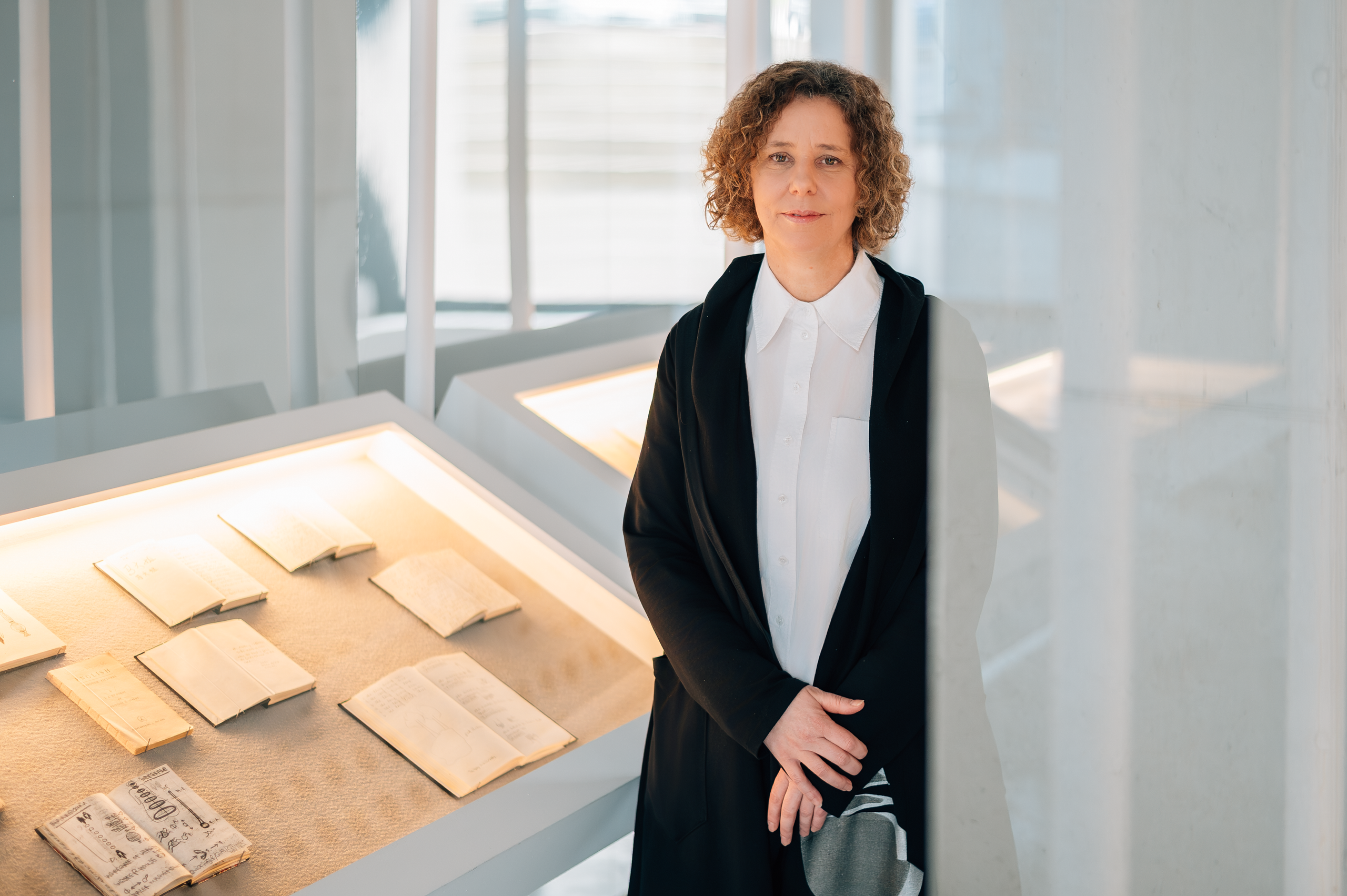
Cukrarna Gallery, Ljubljana: Between Memory and the Contemporary
Alenka Gregorič | 10am – 10:45am
This presentation examines the evolution of Cukrarna Gallery, part of the Museum and Galleries of Ljubljana (MGML), and its transformation from a historically charged site into a contemporary art centre. Originally opened as a sugar refinery in 1828, Cukrarna has undergone successive industrial, military, social and residential uses, accumulating a powerful presence in Ljubljana’s collective memory. In September 2021, it reopened as a contemporary art space in the tradition of a Kunsthalle, developing a programme that brings together exhibitions, artistic production, research, experimentation, discursive activities and international collaborations. Its transformation raises questions about how a site with such a complex history can be reimagined as a dynamic platform for contemporary artistic practice and exchange. Alenka Gregorič will discuss how Cukrarna’s programme negotiates between heritage and contemporary art, while exploring the institution’s role in fostering new forms of artistic exchange, dialogue and public engagement.
Alenka Gregorič is an art historian, curator and writer based in Ljubljana. From 2003 to 2009, she was artistic director of Škuc Gallery in Ljubljana. From 2010 to 2020, she served as artistic director and curator of City Art Gallery Ljubljana and Tobačna Gallery. Since 2021, she has been artistic director of Cukrarna Gallery, part of the Museum and Galleries of Ljubljana (MGML). Gregorič has curated numerous exhibitions in Slovenia and internationally. Her most recent major research-based project was ‘ART VITAL – 12 Years of Ulay / Marina Abramović’, curated with Felicitas Thun-Hohenstein, exploring the artistic collaboration between Ulay and Marina Abramović. She has written extensively on contemporary art for artist books, exhibition catalogues and other publications, and has participated in international exhibitions, curatorial projects, talks and conferences.
The Politicisation of Institutional Programming
Ralph Rugoff |10:45am – 11:30am
This presentation will explore how institutions can uphold James Baldwin’s notion that artists are here to disturb the peace. Over the past two decades, a key aspect of disrupting the status quo has been expanding the parameters of the conversations that take place in galleries, as well as the diversity of the participating artists and audiences. Ralph Rugoff’s work as a curator has also drawn on artist Mike Kelley’s insight that art’s social function is to provide ‘negative joy’ – an experience combining both pleasure and critical thinking. Reviewing exhibitions from his time at the Hayward Gallery, Rugoff will discuss some ways of trying to do this. While considering how to reach a broader public, it helps to fashion exhibitions that highlight the dynamic, conversation-like character of art, and that invite audiences to recognise their own indispensable role in this collaboration.
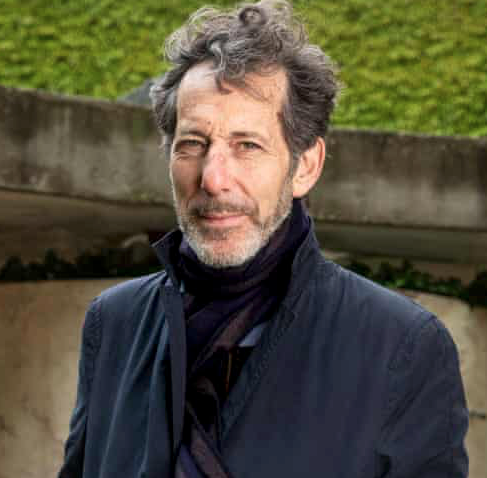
Ralph Rugoff served as Director of the Hayward Gallery in London from 2006 to 2026. In addition to developing the overall programme during this period, Rugoff curated 23 major exhibitions, including group shows ‘The Painting of Modern Life’ (2007), ‘Psycho Buildings: Artists Take On Architecture’ (2008), ‘Invisible: Art About the Unseen, 1957-2012’, and ‘When Forms Come Alive: Sixty Years of Restless Sculpture’ (2023), as well as monographic exhibitions on Jeremy Deller, Tracey Emin, Hiroshi Sugimoto, Kader Attia, Louise Bourgeois, and Tavares Strachan. In 2019, Rugoff served as Artistic Director of the 58th Venice Biennale, ‘May You Live in Interesting Times’ and in 2015 he curated the 2015 Lyon Biennale, ‘La Vie Moderne.’ He has also been an advisor on a number of other international biennials and triennials.
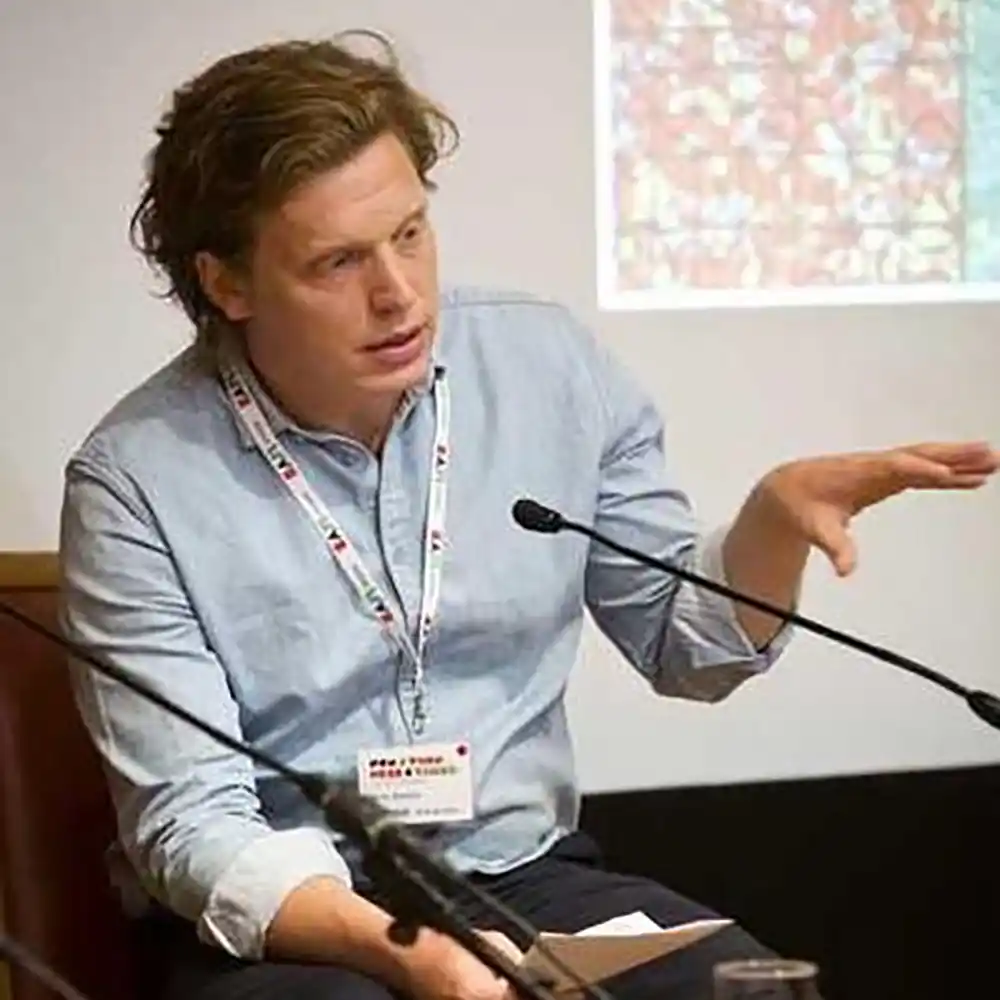
L’Internationale: A Mission Statement in Times of Emergency
Nick Aikens | 11:45am – 12:30pm
This talk will be structured around the seven-point mission statement of L’Internationale, a European confederation of 16 museums, arts organisations and universities. It will be framed by the urgency of the present conjuncture and the need to rethink the public sphere in times of genocide, militarisation, and ecological collapse. The mission statement, co-written by its board, outlines the current vision of L’Internationale, almost 15 years after its founding. Starting with a small cluster of European museums, L’Internationale began as a propositional coalition to situate modern and contemporary art in different social and political histories and avoid the homogenisation threatened by the market, private investment and franchise museums. Today, it has evolved to include universities, non-collecting institutions and coalitions between art and activism. Through a reading of the statement, the talk will turn to past and present propositions for shared heritage, constituency-led work, a museum of the commons, the de-centering of European narratives and epistemologies, and ecologising museums.
Nick Aikens is a curator, researcher, editor and educator. He is researcher at HDK-Valand, University of Gothenburg, and Managing Editor for L’Internationale Online. He assumed this role in August 2023 as part of the four-year, EU-funded project ‘Museum of the Commons’. Nick has a PhD from HDK-Valand, academic partner of L’Internationale. He was previously curator at the Van Abbemuseum (2012–2023) where he worked on numerous exhibitions and publications as well as leading the research programme, Deviant Practice (2016–2019). He was a tutor and course leader at the Dutch Art Institute in Arnhem (2012–2019) and guest professor in the department of Exhibitions and Scenography at Karlsruhe University (2023–2024).
Lahore Biennale 03: A Case Study for 21st Century Globalism
John Tain | 12:30pm – 1:15pm
The third edition of the Lahore Biennale emerged under the sign of conjoined emergencies. The world was still coping with a pandemic, with uneven effects across different regions; meanwhile Pakistan was recovering from the devastating floods of 2022, an unnatural disaster induced by climate crisis that killed thousands and displaced millions. In moving ahead with the biennial exhibition, the organisers and curator John Tain were compelled to ensure that the exhibition would address inequities and blindnesses made obvious by both catastrophes and, where possible, empower local communities. The presentation lays out the ways in which the project proposes alternatives for comprehending globalism and how art exhibitions can speak to the social.
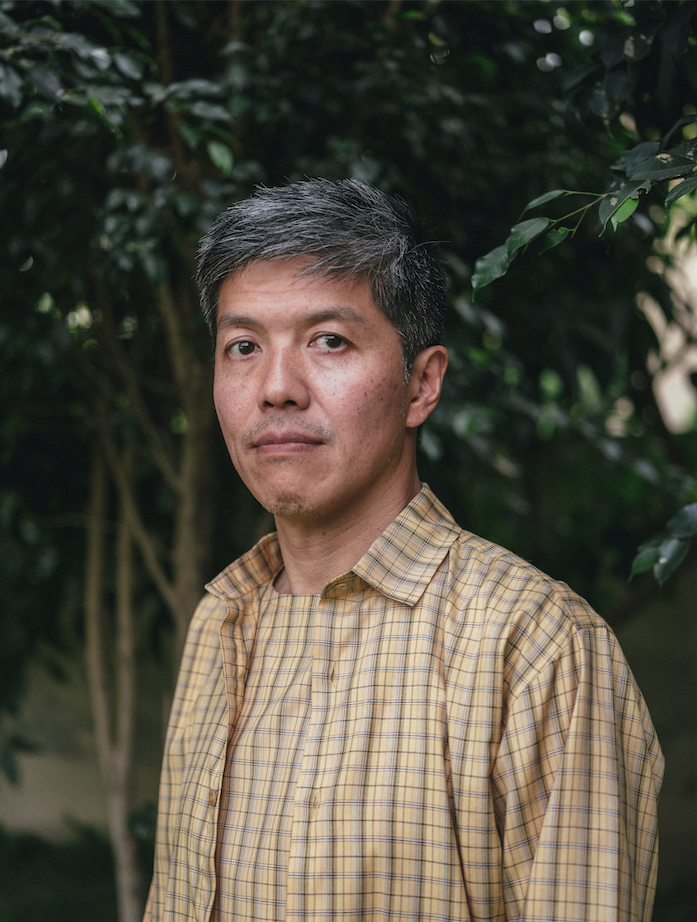
John Tain is Director of Curatorial Affairs at Carnegie Museum of Art in Pittsburgh, USA. He curated ‘Of Mountains and Seas’, the third edition of the Lahore Biennale (2024). From 2017 to 2023, he served as Head of Research at Asia Art Archive, where exhibitions and projects included ‘translations, expansions,’ documenta fifteen (Kassel, 2022), ‘Art Schools of Asia’ (2021–22), ‘Crafting Communities,’ (Hong Kong, 2020), and ‘Out of Turn,’ Serendipity Arts Festival (Goa, 2018). Prior to that, he was a curator for modern and contemporary collections at the Getty Research Institute. He serves as an advisor to Asia Forum, an ongoing collateral event at the Venice Biennale.
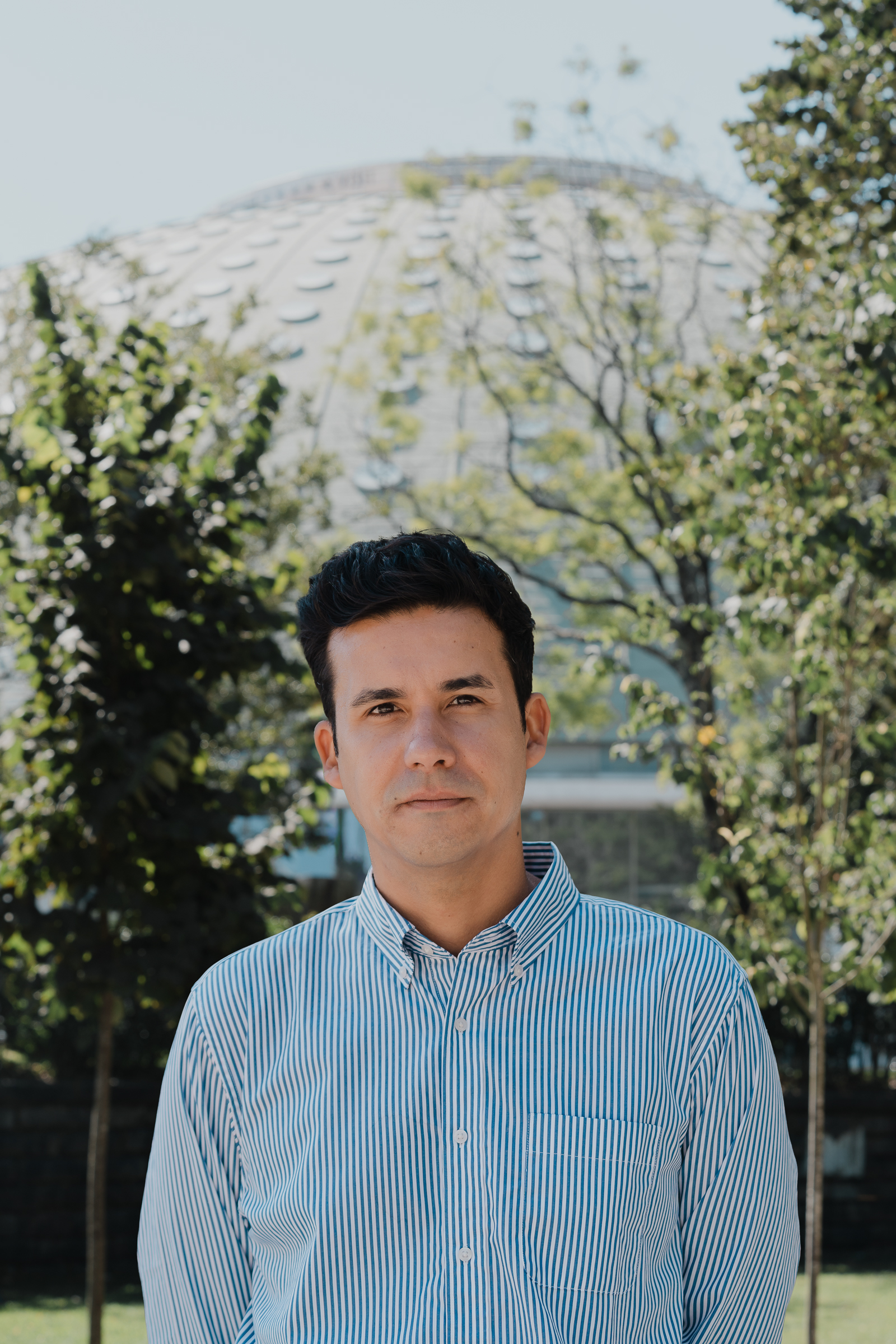
Queering Exhibitions
João Laia | 2pm – 2:45pm
João Laia’s presentation explores exhibition-making from an expanded queer perspective. It frames exhibitions as liminal, cross-contaminated spaces, composed of spatial and symbolic layers, while highlighting holistic approaches that move beyond the predominance of visuality in favour of strategies that activate a broad sensorial range. Performativity offers a relevant position from which to analyse queering exhibitions, understood as an intensification of simultaneous presence in space and time, enacting a seductive position and fostering empathy and a sense of community by building a temporary social forum. Time is also reframed: presentness, or the now, is understood as relevant today, a position that includes both speculative approaches and re-readings of the past. Case studies include projects such as Hybridize or Disappear, Foreign Bodies, 10000 Years Later Between Venus and Mars, Drowning in a Sea of Data, In the Depth Heat Leaks, Forms of the Surrounding Futures, Inflammation and Surface Disorder.
João Laia is the Artistic Director of the Contemporary Art Department of the Municipality of Porto. From 2019 to 2024, he was chief curator at Kiasma – National Museum of Contemporary Art in Helsinki. With Valentinas Klimašauskas, he curated the Lithuanian National Pavilion at the 60th Venice Biennale (2024) and the 14th Baltic Triennial at the CAC in Vilnius (2021). Laia curated the 12th Gothenburg Biennial (2023) and co-curated the 18th and 19th editions of Videobrasil in São Paulo (2015–17).
Art, Politics, Influence, and the Meaning of Public Programmes When Trust Is Low
Nato Thompson | 2:45pm – 3:30pm
At a moment when trust in institutions is low, public programmes cannot simply perform relevance. They must ask what kinds of relationships, forms of attention, and shared meaning they actually produce. Drawing from his forthcoming book, Making a Life of Art, Nato Thompson will consider art not as an object apart from the world, but as a practice made in the middle of social, political, economic, and personal life. How do artists and curators work when publics are fragmented, attention is exhausted, and influence often feels captured by markets, platforms, and power? Through examples from Creative Time, The Alternative Art School, and recent work with artists and institutions, he will explore public programming as a space for encounter rather than persuasion. The question is not only how art responds to politics, but how cultural work can help rebuild the conditions for listening, imagination, and collective life.
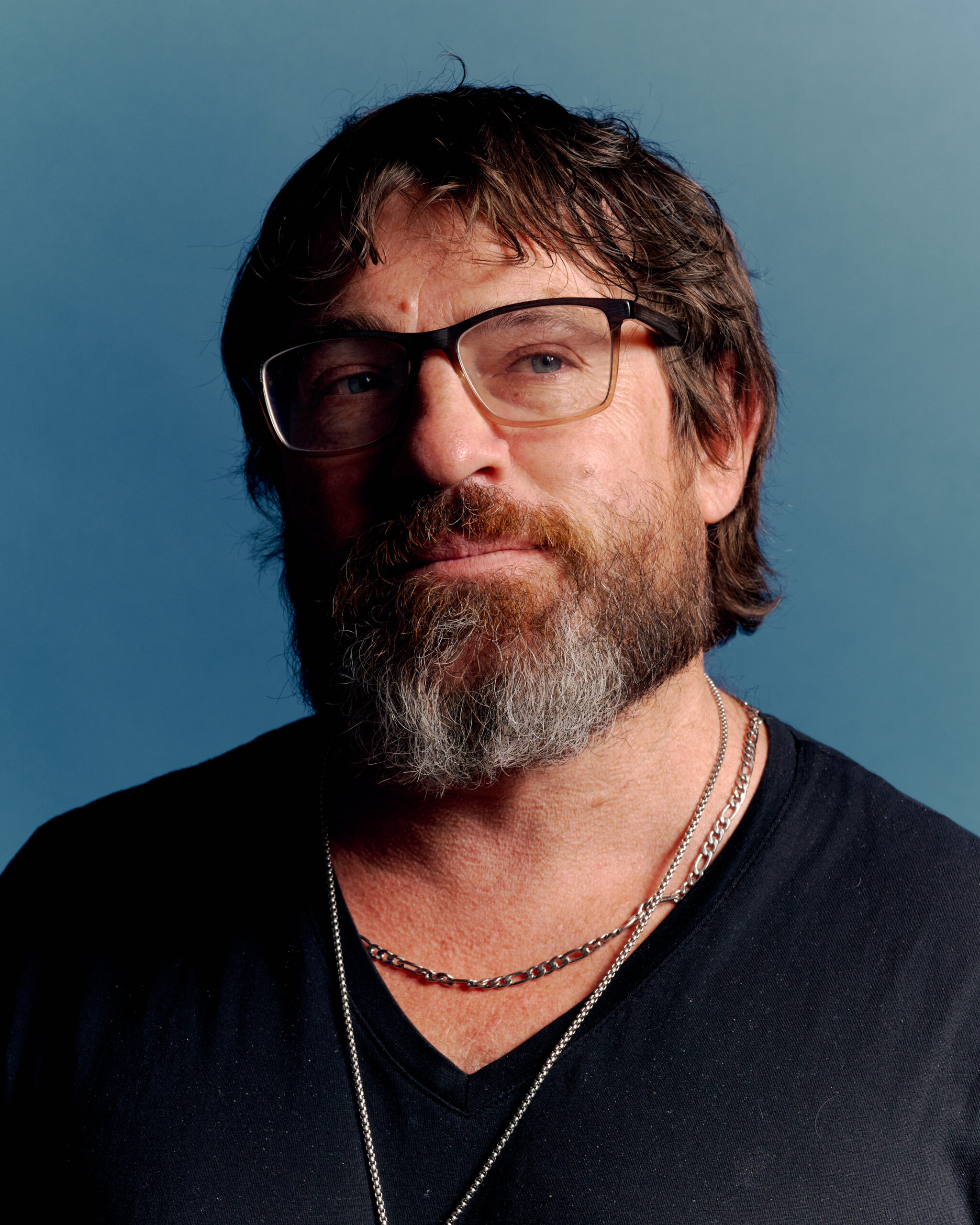
Nato Thompson is a curator, author, and cultural producer whose work explores the intersections of art, politics, public life, and social imagination. He is the founder of The Alternative Art School, a global online school and community for artists, and the Artistic Director of Art Market Productions, where he develops public programmes and artist projects for fairs in New York, San Francisco, Seattle, and Atlanta. He has previously held leadership roles at Creative Time, MASS MoCA, and Philadelphia Contemporary. Thompson is the author of several books, including Culture as Weapon and Seeing Power, and is currently at work on Making a Life of Art, a book about sustaining an artistic life amid the pressures of contemporary life.